Your own room
Every resident has a private, furnished bedroom with a television, storage and Wi-Fi. You have space to rest or join an online meeting, alongside shared areas where you can spend time with others.
We provide an abstinent place to live and recover, with structure, practical support and people around you who understand what that means.
You don’t need to have everything worked out before you call. We will listen, explain what OHC offers and help you consider the next step.
Call or email. You will speak to a real person. We will have a straightforward conversation about where you are and what you are looking for. Nothing is committed at this stage.
Visit the house. Meet some of the residents and staff. Get a feel for how it works. You can ask anything, including the hard questions. No obligation.
If OHC can meet your needs, the placement is agreed and a room is available, we will explain the arrangements for moving in. You become part of a community where residents support one another. Read about the Helper Principle.
Daily life combines your own space with the responsibilities of living in a recovery community. Your programme develops around your needs and progress; the activities below are examples, rather than a fixed timetable for everyone.
Every resident has a private, furnished bedroom with a television, storage and Wi-Fi. You have space to rest or join an online meeting, alongside shared areas where you can spend time with others.
Keeping your room and shared areas tidy, attending appointments and building regular sleeping and eating patterns all form part of rebuilding daily life. Residents contribute to the running of the house.
Staff, experienced volunteers and other residents provide practical and peer support. House meetings, individual support and suitable recovery meetings help you stay connected and talk about difficulties.
Depending on your circumstances, support may include benefits, debt, housing, health appointments and digital access. As you become ready, your goals may include exercise, family relationships, education, volunteering or work.
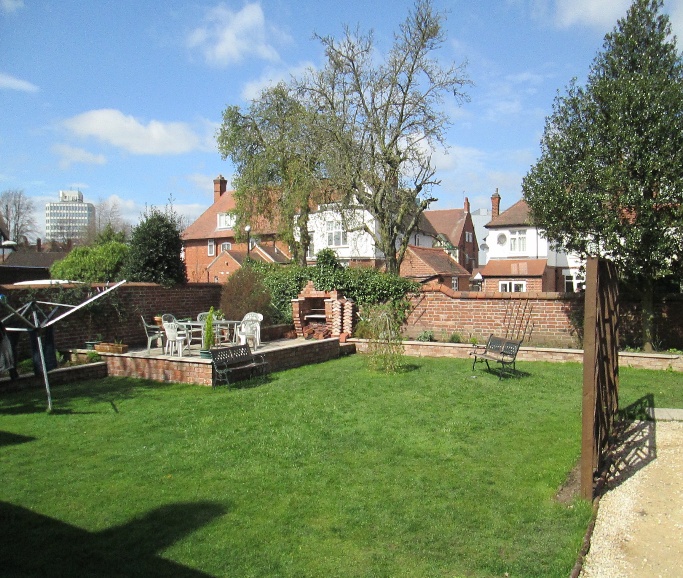
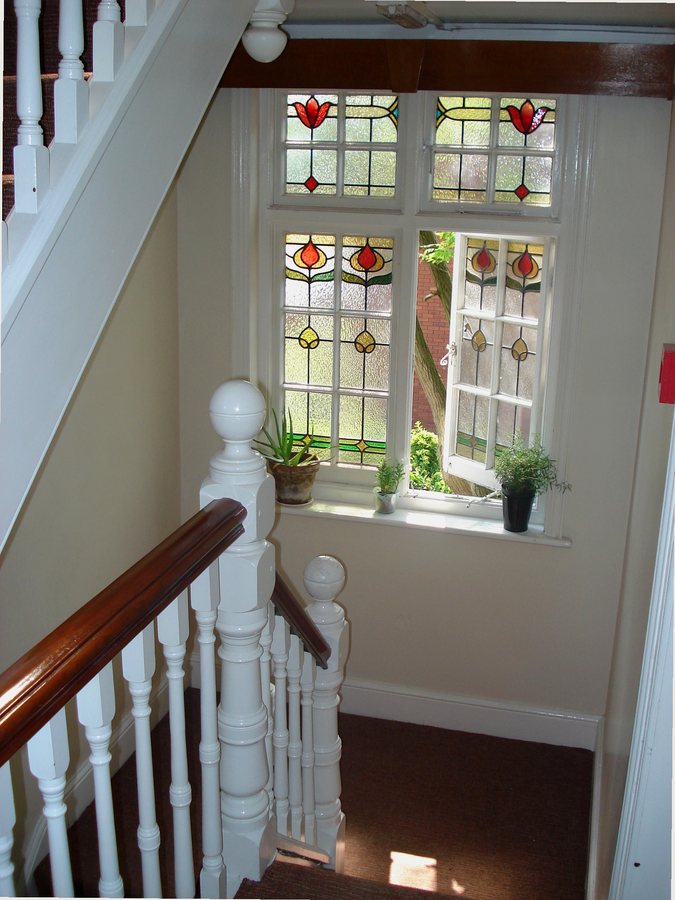
A visit is the best way to get a feel for the house. Meet some of the people, ask about daily routines and discuss anything you are unsure about.
OHC supports men who want to stop drinking or using drugs and are willing to take part in recovery. Previous attempts and relapses do not rule you out. We understand that recovery can take more than one attempt. For a peer perspective on protecting abstinence, read this.
Some men go on to rebuild careers and reconnect with their families. Others need time and stability to find their footing again. What they share is a need for a safe, abstinent and supportive place to live.
OHC doesn’t prescribe a single route through recovery. Residents choose between Twelve Step mutual-aid meetings, SMART Recovery, or counselling, whichever suits them, and are supported to build connections and a wider recovery network around that choice. If you’re weighing up the two, here’s how they compare. Many groups also meet online, including via Zoom, which can be a good way to start if meeting in person feels like a lot at first. No particular religious or spiritual belief is required. If you’re wondering how that works in practice, read this. Residents must remain abstinent from alcohol and non-prescribed drugs and take prescribed medication as directed.
Find AA, CA, NA and SMART Recovery meetings, or Al-Anon support for families.
Not sure if OHC is right? Call us anyway. We will be honest with you.
"The first step is just making the call. Everything else comes after that."
OPEN HANDS COVENTRY
"I found sobriety and freedom via OHC and am now running my own small general gardening company."
JAMES D.
Call or email when you are ready to talk.